دکتر علی نعمتی
جراح و متخصص بیماریهای مغز و اعصاب و ستون فقرات و دیسک کمر با لیزر



دکتر علی نعمتی
جراح و متخصص بیماریهای مغز و اعصاب و ستون فقرات و دیسک کمر با لیزر
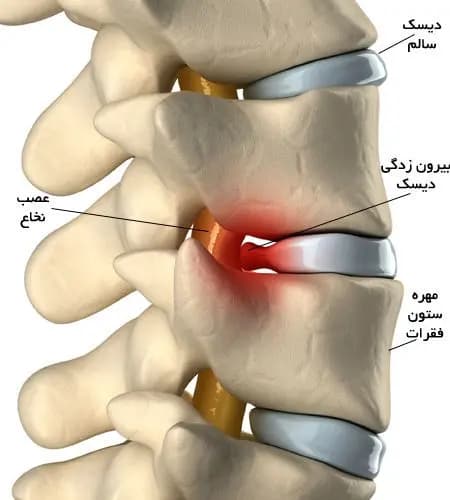
What is a Lumbar Disc؟
Dr. Ali Nemati explains that the human spine consists of 26 vertebrae, of which five are located in the lumbar region. These vertebrae are separated by flexible structures called intervertebral discs. Each disc is made of two parts: • A gel-like central nucleus • A tough outer ring When the back portion of a disc becomes bulged or herniated, it may press on the spinal cord or nerve roots, causing lower back pain that can radiate down the legs. This condition is commonly referred to as a “slipped disc” or “sciatica,” although the correct medical term is lumbar disc herniation. Causes and Prevalence Lumbar disc herniation is the most common cause of lower back pain, responsible for more than 90% of cases. It typically occurs between the ages of 35 and 55, but may also appear later in life. Types of Disc Herniation 1. Mild Herniation: A small bulge that causes minimal pressure on the spinal cord. It often improves with rest, targeted exercises, and proper movement techniques. 2. Moderate Herniation: Puts more pressure on the nerves and may lead to numbness or tingling in the legs. 3. Severe Herniation: Creates significant pressure on the spinal cord or nerve roots and may cause: • Severe radiating leg pain • Movement difficulties • In serious cases, loss of bladder or bowel control, which is a medical emergency.