Dr.Ali Nemati
Surgeon and specialist in neurology, spine and lumbar disc diseases with laser



Dr.Ali Nemati
Surgeon and specialist in neurology, spine and lumbar disc diseases with laser
What Causes Lumbar Disc Herniation?
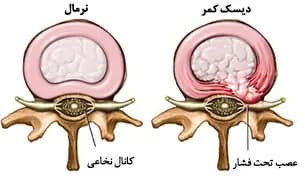
Explanation by Dr. Ali Nemati From around age 15 onwards, intervertebral discs undergo degenerative changes, a natural and unavoidable process. These changes lead to loss of water content and reduced flexibility of the disc, making it more prone to herniation or bulging. The speed and severity of these changes vary depending on factors such as: • Genetics and body structure • Daily activities • Posture when sitting, standing, or lifting objects • Physically demanding or prolonged work • Muscle strength and overall fitness When excessive or improper pressure is applied to a susceptible disc, the posterior part may herniate, pressing on the spinal cord or nerve roots, causing pain, numbness, tingling, or leg pain. ________________________________________ How can a disc herniation improve naturally? In many cases, especially mild to moderate herniations, the body can reduce symptoms through three main mechanisms: 1️⃣ Immune response: The body may recognize the herniated disc as a foreign object. Macrophages (a type of white blood cell) attack it and reduce its size. They also remove inflammatory proteins, which decreases nerve inflammation and pain. 2️⃣ Water absorption: The herniated portion contains water. Over time, the body absorbs it, shrinking the protrusion. Smaller protrusions reduce pressure on the nerve. 3️⃣ Natural disc mechanics: Targeted exercises and stretching can help move the herniated part slightly back into the disc, reducing nerve compression. This is a core principle in treating mild disc herniations non-surgically. ________________________________________ Important note: Symptom improvement does not mean the disc is fully healed. It means: • The herniation is smaller, • Nerve pressure is reduced, • Inflammation has decreased. Therefore, it is crucial to protect the disc, strengthen core muscles, and avoid improper movements to prevent symptom recurrence.