د. علي نعمتي
جراح و متخصص في أمراض الأعصاب والعمود الفقري والقرص القطني بالليزر



د. علي نعمتي
جراح و متخصص في أمراض الأعصاب والعمود الفقري والقرص القطني بالليزر
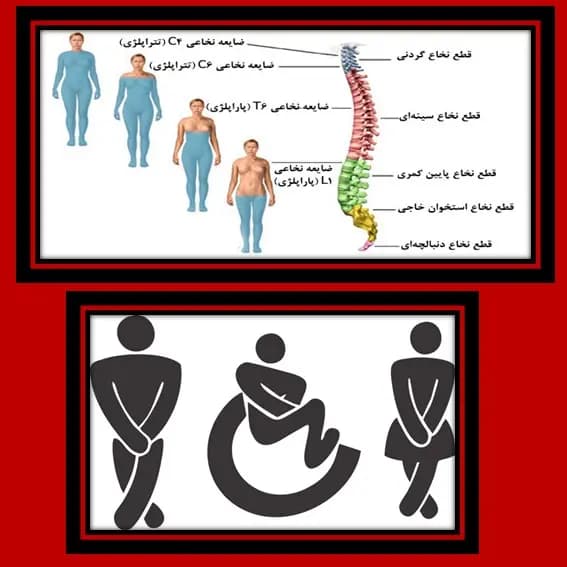
After Spinal Cord Injury and the Effects of Urinary Incontinence
After Spinal Cord Injury and the Effects on Urinary Incontinence Explanation by Dr. Ali Nemati (Neurosurgeon & Spine Specialist): • After spinal cord injury, the bladder and other organs undergo significant changes because nerve signals between the bladder and brain cannot travel properly. • Depending on the type of injury, the bladder may be: 1. Flaccid (Weak): The bladder muscles lose strength and cannot contract effectively. This type of bladder may overstretch when full, potentially damaging the bladder wall and increasing infection risk. Emptying can be done using techniques like Crede maneuver, Valsalva, or intermittent catheterization. It is crucial to avoid overfilling, even if it requires waking at night to empty the bladder. 2. Reflexive / Spastic (Overactive): Bladder muscles may contract automatically, causing urinary incontinence. Sometimes, the sphincters do not coordinate properly with the bladder muscles, requiring medication or surgery for effective management. Note: Proper bladder management after spinal cord injury includes preventing overfilling, controlling internal bladder pressure, preventing infection, and using appropriate urinary drainage methods.