د. علي نعمتي
جراح و متخصص في أمراض الأعصاب والعمود الفقري والقرص القطني بالليزر



د. علي نعمتي
جراح و متخصص في أمراض الأعصاب والعمود الفقري والقرص القطني بالليزر
Diagnosis of Lumbar Disc Herniation
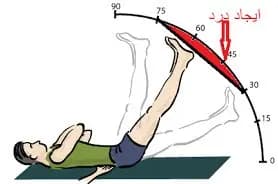
Explanation by Dr. Ali Nemati Diagnosis usually begins with reviewing medical history and performing physical tests: 1️⃣ Straight Leg Raise (SLR) Test The patient lies down, and the doctor lifts the painful leg. Pain indicates possible nerve compression by the disc. 2️⃣ Crossed Straight Leg Raise Test Lifting the opposite leg causes pain in the affected leg, suggesting a higher likelihood of disc herniation. 3️⃣ Neurological Examination Includes assessment of: • Reflexes • Muscle strength • Walking ability • Presence of numbness or sensory deficits 4️⃣ Additional Tests If symptoms persist after 4 weeks or diagnosis is unclear, imaging tests may be needed. 5️⃣ Lumbar MRI • Uses magnetic fields to create detailed images of the spine. • Typically performed without contrast injection. • Main method to determine location and severity of disc herniation. ________________________________________ Simple Home Test • Lie on a flat surface and lift your legs. • If you feel severe pain between 30° and 70°, a disc herniation may be present. ⚠️ Important: • A positive test does not always confirm disc herniation. • A negative test does not completely rule it out.